
Color Prediction is an instant outcome game focused on probability choice rather than reaction speed.
Rounds finish quickly, results stay binary, decisions feel direct.
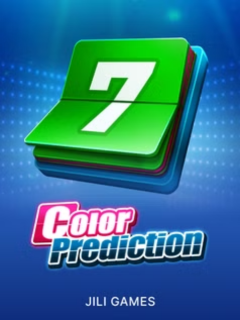
Color Prediction 1win
| Game Name | Color Prediction |
| Provider | Jili Games |
| RTP | 95% |
| Max Win | Varies |
| Volatility | Low to Medium |
| Type Game | Instant Game |
How Color Prediction works from the first click
Color Prediction is designed around a single, fast decision that resolves almost immediately. You select a color, confirm the stake, and receive the outcome without waiting cycles. For you, this removes hesitation points and keeps attention on balance behavior rather than rule interpretation.
Decision loop and round mechanics
Each round completes in a few seconds, which changes how decisions feel. There is no recovery time between actions, so mistakes show up quickly. According to our data, short loops push players to recognize emotional patterns earlier than in slower formats.
Visual structure and interface discipline
The interface avoids excess graphics and keeps all elements static. Numbers remain readable, buttons do not shift, and results appear in a fixed position. For you, this reduces accidental input and supports consistent decision timing across long sessions.
Typical player thinking during sessions
Many players start by testing colors evenly, almost like calibration. After a few rounds, behavior splits. Some rely on strict rotation, others commit to a single choice and ignore short streaks. We think stability matters more than prediction skill, honestly, because rapid games punish emotional swings.
Pattern belief versus emotional control
Short rounds create the illusion of patterns. Colors repeat, gaps appear, and the brain reacts fast. For you, the real advantage comes from resisting reactionary switches rather than decoding sequences that reset every round.
Why Color Prediction feels natural on 1win
The game matches the platform’s focus on speed and low friction. Load times stay short, and server responses feel immediate even during busy hours. For you, this consistency prevents broken flow and reduces frustration tied to technical delays.
Mobile-first behavior and daily usage
Most sessions happen on mobile devices, often in short time windows. Color Prediction uses minimal data and runs smoothly on unstable networks. For you, this allows play during routine moments without planning or setup.
Using demo mode as a learning tool
Free play is not just a preview. It reveals how quickly attention fades and how streaks influence judgment. You can test pacing, break timing, and emotional thresholds. For you, this phase often defines whether real play stays measured.
What changes psychologically with real stakes
Real money alters perception immediately. Small losses feel heavier, and wins invite faster follow ups. For you, awareness of this shift matters more than color choice, because impulse escalates fast in short cycles.
Session length and self regulation
Color Prediction sessions can stretch without notice due to speed. According to our analysts, players who predefine session limits maintain balance longer. For you, structure outside the game often determines outcomes inside it.
Bet sizing and gradual scaling
Flexible limits allow smooth adjustments rather than abrupt jumps. Players who change stakes slowly adapt better to variance. For you, controlled scaling reduces stress and protects against sudden balance swings.
Games commonly played alongside Color Prediction
Why simplicity keeps Color Prediction relevant
The game removes complexity and leaves only the decision and the result. There is nothing to memorize, no mechanics to master. For you, this clarity makes the experience repeatable without cognitive fatigue.
FAQ Color Prediction
Are Color Prediction outcomes random
Yes, each round follows fixed probability logic independent of previous results.
Is Color Prediction suitable for new players
Yes, the rule set stays minimal and understandable within a few rounds.
Does demo mode reflect real money behavior
Yes, mechanics and probabilities remain consistent across both modes.